1961
Guido Rainone and
Ciro Rainone found
Impresa di Costruzioni
Rainone SNC
Ciro Rainone found
Impresa di Costruzioni
Rainone SNC

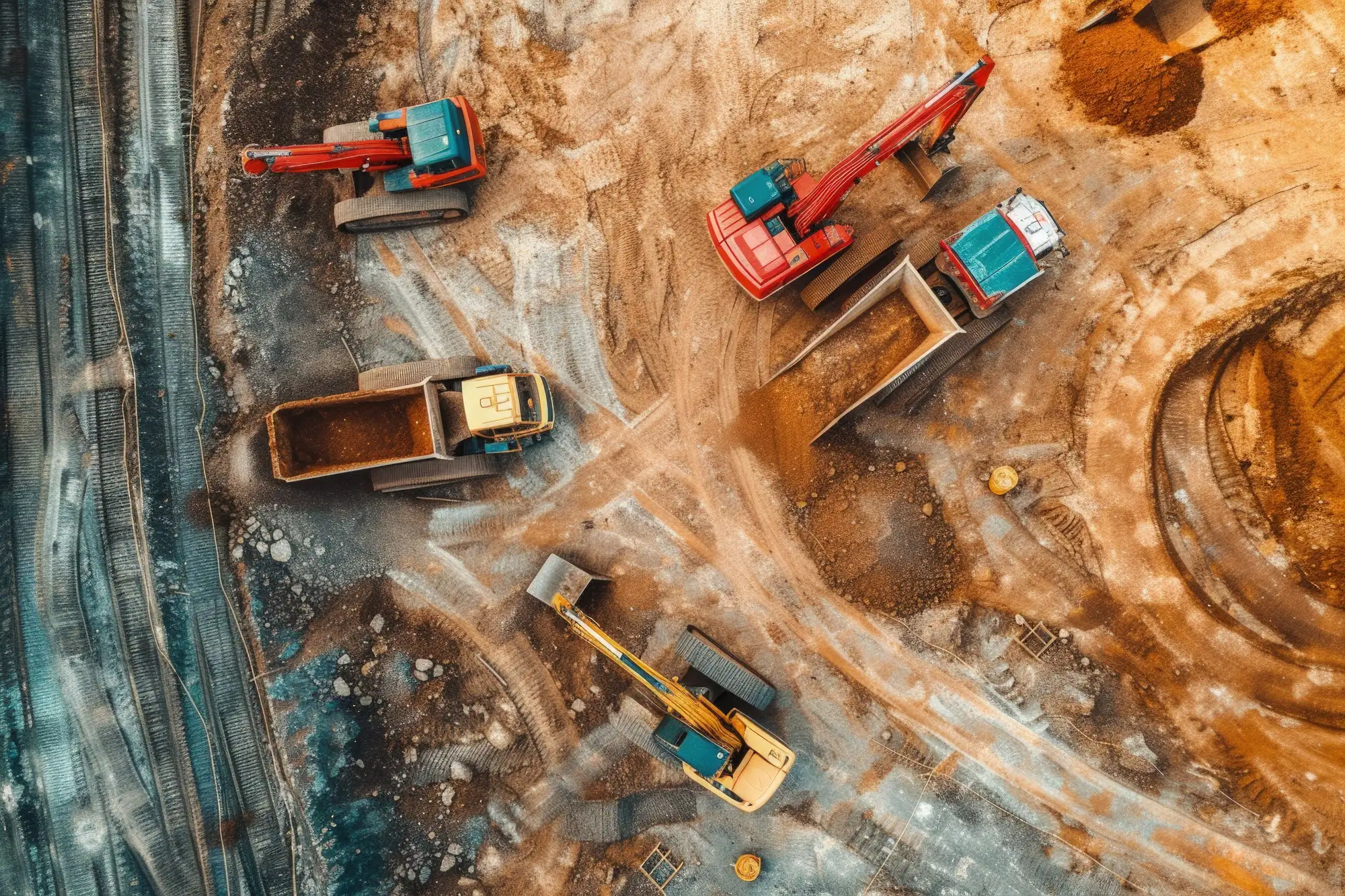
From post-earthquake reconstruction to major international infrastructure, Unimpresa is the partner that turns territories' vision into lasting works.
Unimpresa's roots lie in a family story that began in 1961, when Guido Rainone and his brother Ciro founded Impresa di Costruzioni Rainone. Since then, entrepreneurial courage, technical strength, and vision have guided every step, on site and beyond.
 OUR STORY
OUR STORY
OUR STORY
OUR STORY
OUR STORY
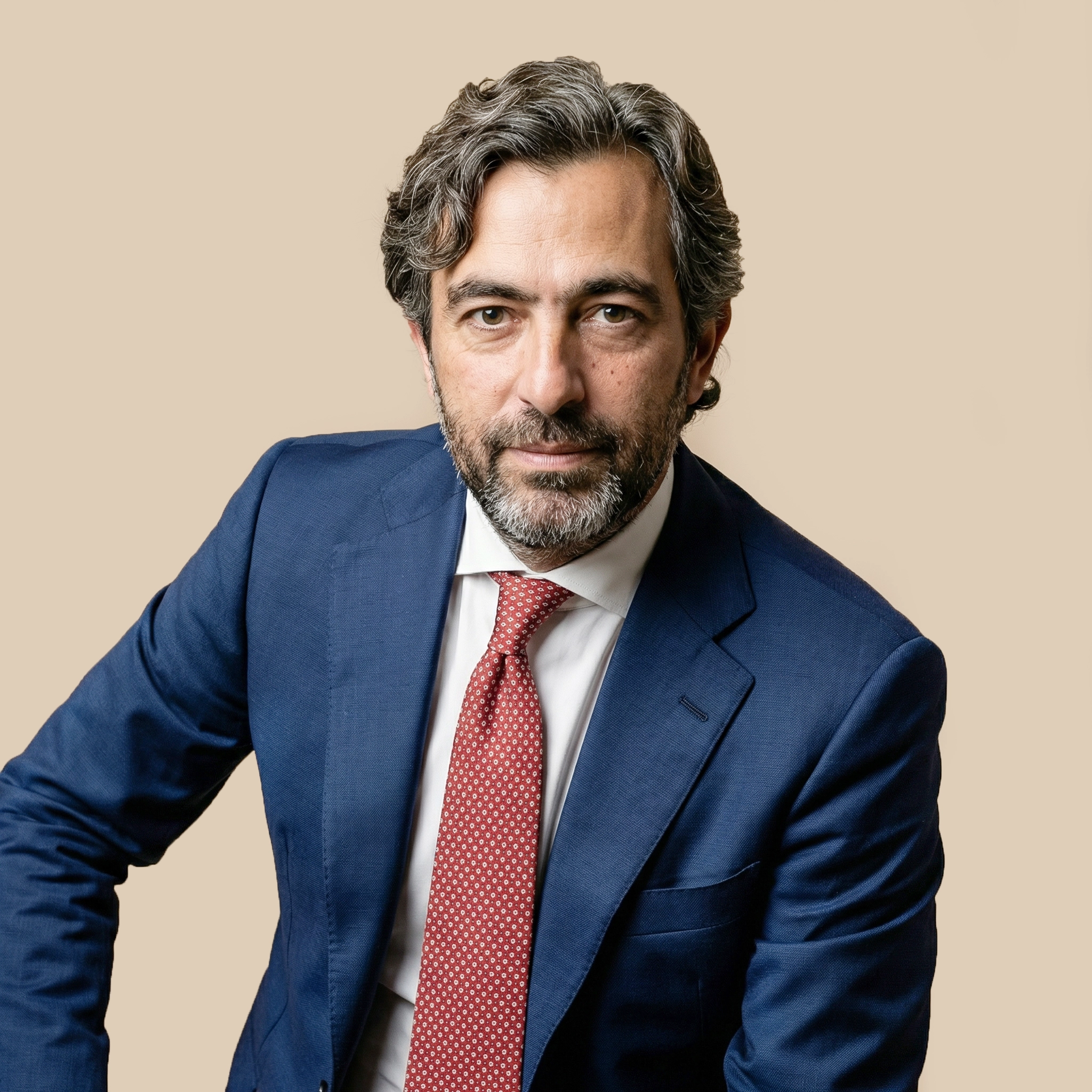
A surveyor by training and an expert in bitumen and asphalt mixes, he has been on the family company's sites since he was 17, gaining "on the road" experience that allowed him to be an integral part of the group's development over the last 25 years in the field of major public works within the Rainone family, bringing together capital, people, equipment, and experience into Unimpresa S.p.A.. While in the 1990s the family company built roads and bridges in Pakistan, the Arab Emirates, and Latin America, for ten years Enrico oversaw SOCOB, the family company specialized in the production of bituminous mixes, gaining solid, recognized expertise in bitumen that led him to collaborate with leading contractors of major roadworks and to work with clients such as ANAS, Societa Autostrade Meridionali, Autostrade del Brennero, and Italian public bodies that own or manage roads. With SOCOB he carried out the complex construction works of Interporto Sud Europa - Polo Marcianise - Maddaloni, Interporto di Marcianise - Nola, which included the construction of a rail connection between the Marcianise/Maddaloni freight yard and Interporto Sud Europa, the intermodal storage and shunting yard, as well as internal and town-connection roads, sewers, public lighting, fire-protection network, and the aqueduct, including the takeover of the Campano aqueduct. Since 2002 he has led CO.GE.R., which acquired the SOCOB Srl business unit specialized in the execution of public works. CO.GE.R. continued the Maddaloni/Marcianise interport works and in 2002 acquired an additional contract with Interporto Sud Europa for the construction of a retail park in the municipality of Marcianise. In 2005 CO.GE.R. was also awarded the external road system works for the "Parco Commerciale Campania," including underpasses, overpasses and junctions, and connections between the shopping center, the A1 motorway, and neighboring municipalities. From 2002 to 2010, under his administration and direction, CO.GE.R. delivered other major works with significant impact on the served communities, such as the extensive urbanization works at Parco Talenti in Rome, with the rehabilitation of road sections and the widening of major arteries, the overpass viaduct at the Via Langhirano roundabout in Parma, resurfacing and improvements to dangerous curves on SS Carlo Felice in Sardinia, the Trento Sud motorway station for Autostrade del Brennero and, in collaboration with Romagnoli S.p.A., the widening works on the A3 Napoli - Salerno motorway in the Pompei - Scafati - Torre Annunziata section. In 2010 UNIMPRESA S.p.A. was also established and initially carried out segments of work assigned to SOCOB and CO.GE.R., until in 2017 it won the international tender for the rehabilitation of the Bole Airport New Runway in Ethiopia and in 2018 opened an office in Addis Ababa to carry out the works. The appreciation and satisfaction of the client Ethiopian Airways led to Unimpresa also being awarded the rehabilitation of the Old Runway, followed by contracts from the Ethiopian Ministry of Defense and the Ethiopian Road Authority. Enrico Rainone's expertise and the network of relationships with leading companies in the major roadworks supply chain, built over three decades of previous collaborations, are foundational elements of Unimpresa's expansion on the African continent.
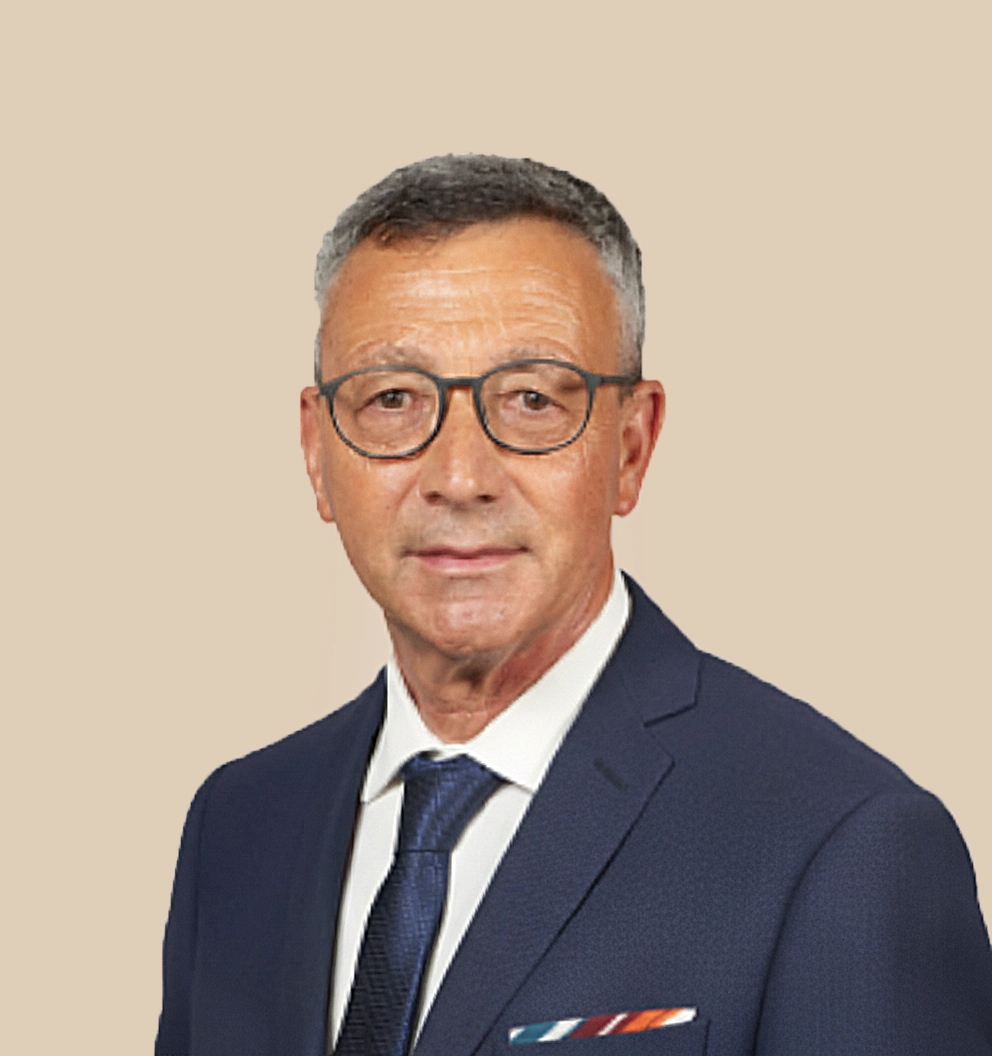
Graduated in Civil Engineering with an experimental thesis on "Study of the correlation between the Marshall stability test and the indirect tensile strength test (Brazilian test) in bituminous mixes," published in 1982 in the AUTOSTRADE journal. While still in the early stages of his experience as works director for private construction companies, in 1984 he won the competition to teach Construction and Construction Technology, and the following year he also won the competition for the chair of Technical Drawing, Topography and Topographic Drawing, but he never taught, preferring to continue his activity for companies specializing in major public works. He directed construction sites for bridges, viaducts, tunnels, railway underpasses, large water conveyance plants above and below ground, with Romagnoli S.p.A. of Milan from 1981 to 2006 and Pisa Costruttori of Brescia from 2006 to 2009, then participated as technical director in the projects that shaped the company history of GO.Ge.R. from 2009 to 2011, and of Unimpresa S.p.A. from 2011 to today, coordinating design, work teams, relationships with technical partners, and being indispensable in managing relationships with public and private clients. Four decades of experience directing projects and sites for some of the most complex public works carried out in Italy (Campania Shopping Center, expansion of the Castel Romano Outlet, water intake works on the Ofanto and large-diameter pipelines serving the Bari coastal area, disconnect structures for the "Ofanto - Locone" irrigation system in Basilicata, the "Traversa sul Trivigno - Acerenza Dam" water tunnel in Basilicata, construction of the "Ofanto - Rendina" connecting canal in the Municipality of Melfi (PZ), Vesuvian Aqueduct, widening to three lanes of the A3 Napoli - Pompei - Salerno motorway, construction of the external variant of the built-up area of Roccella Ionica - Reggio Calabria, deep wells (1,500 m) to integrate irrigation flows for the right-bank Ofanto district in Basilicata, construction of a new road axis in the Municipality of Torre del Greco, rehabilitation works on State Road "Carlo Felice - SS 131" in Sardinia, rehabilitation of the "New Runway" at Addis Ababa International Airport in Ethiopia, just to name a few); the ability to provide projects with mentoring skills for the training of young resources; combined with a precise analytical approach make Giovanni Ciocci a key pillar of Unimpresa S.p.A.'s strong expansion in Africa, starting from the projects carried out in Ethiopia from 2018 onwards. He is a speaker at conferences on road construction materials and techniques, and is often consulted for correct technical/administrative management in the execution of public works and is an expert in managing disputes arising from work interruptions and contract termination.
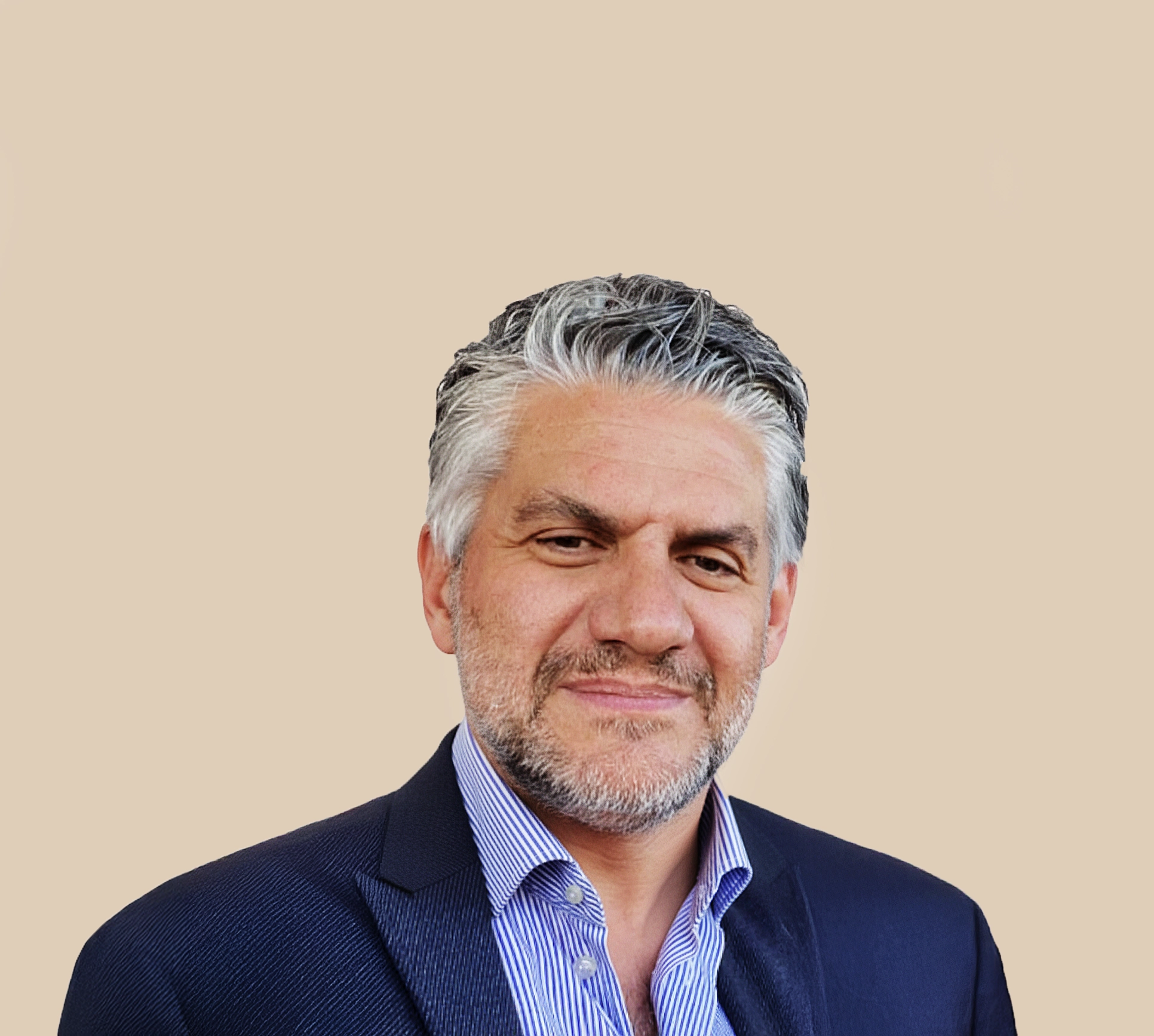
He has directed and coordinated the entire technical staff of Unimpresa S.p.A. since 2024.
Graduated in Civil Engineering, hydraulic curriculum, from the University of Naples Federico II,
specialized in Environmental and Sanitary Engineering at the same university.
Designer and works director for hydraulic works such as aqueducts, sewers and treatment plants,
and for road works.
Registered with the Order of Engineers of Salerno since 2001.
WORK EXPERIENCE:
His career includes numerous experiences in the public and private sectors
employee of the Technical Office of Consac Gestioni Idriche S.p.A. based in Vallo della Lucania (SA)
sole director and Technical Director of Tecno Servizi Srl, an engineering and water-leak detection
services company based in Salerno.
founding partner and director of the associated engineering firm Thinkd based in Salerno.
He has held various roles as designer and works director, among the MAIN DESIGN AND WORKS
DIRECTION ASSIGNMENTS:
Period June/November 2017 - Tecnosistem S.P.A. - end client EAV Srl - Engineering services
(design and works execution management) relating to the completion and commissioning works of the
Piscinola-Secondigliano-Di Vittorio-Capodichino line / Vs. Order prot. 329 of 13/10/2018 - Amount
approx. EUR 30,000,000.00 - Appointed Operations Director.
Period June/December 2015 - Municipality of Casalnuovo di Napoli (NA) - Integrated intervention to
improve teaching functionality indices and functional safety of the R. Viviani Middle School in
Tavernanova - amount EUR 886,817.05 - Appointed Works Director and safety coordinator during execution.
Period September 2013/July 2016 - Municipality of Pozzuoli (NA) - Joint Office for the Major Project
among the municipalities of Bacoli, Monte di Procida, Quarto and Pozzuoli - Contract awarded for the
final and executive design and the execution of the sewer rehabilitation works for the Torre di
Cappella area, Municipality of Bacoli, POR Campania FESR 2007-2013 Major Project Environmental
remediation and enhancement of the lakes of the Campi Flegrei - Amount EUR 1,325,705.00 - Appointed
Designer and safety coordinator during design.
Period June 2014/July 2017 - ARCADIS - Ministry of Infrastructure and Transport - Interregional
Directorate for Public Works Campania - Molise - Contract awarded for the executive design, safety
coordination during design, and execution of the works necessary to complete the project
"INFRASTRUCTURAL COMPLETION OF THE CAIVANO AGGLOMERATION - PROJECT B/1090 - LIFTING STATION" - Amount
EUR 2,792,456.53 - Appointed Designer and safety coordinator during design.
Period September 2010/July 2013 - Municipality of Casalnuovo di Napoli (NA) - Update of the executive
project and works director for the intervention "Works and accessory works for the elimination of
interference between municipal collectors and TAV infrastructure (V Sub-section Collector "c") at Via
Nazionale delle Puglie" - Amount EUR 698,190.26 - Appointed Designer and Works Director.
Period June 2009/September 2011 - Municipality of Fisciano (SA) - Safety coordination during
execution and works director for the intervention "Urban rehabilitation and improvement of internal
mobility with decongestion of the main routes of the areas adjacent to the university" - Amount
EUR 1,215,702.51 - Appointed safety coordinator during execution and works director.
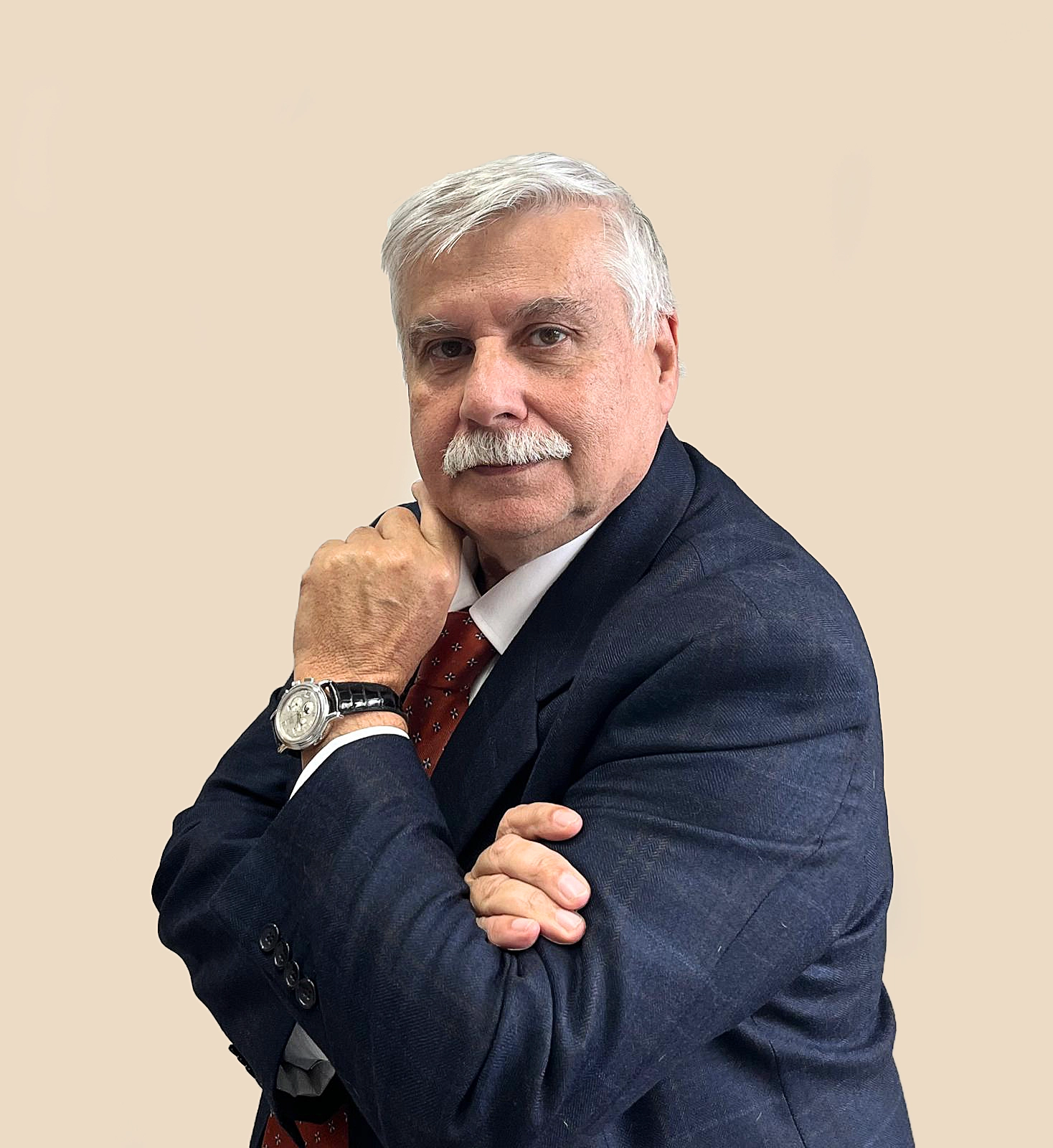
Chartered accountant with a degree from the University of Salerno obtained in January 1984. He is licensed to practice and is registered in Section A of the Register of Chartered Accountants and Accounting Experts of Salerno. He is registered in the Register of Statutory Auditors held by the Ministry of Economy and Finance and in the Register of Local Authority Auditors held by the Ministry of the Interior. Until 2000 he served as Head of Accounting, Budgeting and Tax in Ansaldo Trasporti S.p.A. of Naples, a Finmeccanica Group company (now Leonardo) responsible for the construction of electric locomotives, high-speed trains, technological systems and railway signaling. He also held this role for the production plants in Piossasco (TO) and Tito Scalo (PZ), where he oversaw the administrative acquisition process and the merger by incorporation of Wabco Westinghouse Compagnia Italiana Segnali S.p.A. into Ansaldo, managing the harmonization of accounting systems and, more generally, all administrative procedures. He was responsible for the administrative and accounting management of the IRICAV 1 and 2 consortia set up for the construction of the high-speed lines Naples, Rome, Milan and Milan - Venice where Ansaldo Trasporti, as lead company, handled administrative and accounting management both for civil works and for technological works and the relations between the client and the executing companies. He held responsibility for foreign companies (United States, France, Sweden) and prepared the consolidated financial statements of Ansaldo Trasporti and participated in the listing procedure on the U.S. stock exchange for the technology market of a group company based in Pittsburgh. Subsequently, as an executive with the role of Administrative and Finance Director at Alto Calore Servizi S.p.A., a company managing the integrated water service in the water and purification sector with specific focus on intake, conveyance and distribution of water resources in 136 municipalities in the provinces of Avellino and Benevento, he took responsibility for the entire administrative and accounting area coordinating General Accounting, Human Resources, Legal, Corporate Affairs, Procurement, Training, Assets, Contracts, Utilities and Claims. In professional practice, in addition to managing his tax and corporate advisory firm, he served as a member of the Assets Commission of a banking foundation of a savings bank to study and develop the investment strategies for the financial resources held. He is listed among CTUs at the Court of Salerno as a court-appointed expert in economic, fiscal and corporate matters for civil and criminal disputes. He has been appointed as advisor to judges in proceedings concerning matters within his competence such as the evaluation of accounting records and financial statements, the correctness of the application of national accounting principles, verification of compliance with corporate law regulations, admission to corporate crisis resolution instruments, and anatocism. He has served as party-appointed expert in civil and criminal disputes in his areas of competence, providing reports to the judge on the facts of the case, including anatocism. He has been appointed and served as Sole Auditor of the municipalities of Taurano (AV) and Castellabate (SA). He is a member of the Provincial INPS Committee of Avellino representing company executives, whose responsibilities range from managing administrative disputes as an independent third party, whose activity supports the recognition and protection of citizens' legitimate rights and those of companies, to enabling coordination between the Institute's activities, especially in the territory, and the local community in its various expressions and maintaining a collaborative relationship with the Institute's Directorates at different levels, aimed at increasing accessibility to services and improving service quality. He is a member of the Provincial INAIL Committee of Avellino representing company executives, a body that deals with the crucial themes of health and safety in the workplace at local level, contributing to a better alignment of the Institute's policies with the concrete needs of the province's productive fabric and workers. He collaborated with the Faculty of Economics at the University of Salerno as a subject-matter expert in activities on topics related to business accounting and event recording techniques and for the drafting of financial statements and, as a co-supervisor, participated in the preparation of degree theses developed by students in business subjects. He served for two terms as a member of the Board of Auditors of Previndai, a bilateral body formed by Confindustria and Federmanager that manages the collection and investment of resources paid by executives and their companies for supplementary pension schemes. He is treasurer and member of the Steering Committee of Federmanager Napoli, which covers the provinces of Naples, Caserta, Avellino and Benevento, the representative association of management that handles the contractual, institutional, social and cultural aspects of the category.
The rehabilitation of the Bole Airport New Runway in Addis Ababa involved the use of advanced technologies for structural pavement diagnosis, including the Heavy Weight Deflectometer (HWD) and Ground Penetrating Radar (GPR), used by Unimpresa S.p.A. in partnership with Dynatest Italia and under the scientific supervision of Prof. Alessandro Marradi. When cracking or deformation is present, the runway condition is verified through an on-site investigation campaign in which the HWD plays a central role: a mobile lab applies an impulse load that simulates the passage of an aircraft wheel and measures, via geophones, the surface deflection at various distances from the load axis. Analysis of the deflection basin makes it possible to estimate the Dynamic Elastic Moduli of the various layers, including subgrades, a crucial piece of information for runways subject to very high vertical, tangential, and torsional stresses.
VIEW PROJECT
Reinforced earth, made up of reinforcement geogrids and fill soil, are retaining structures (NTC 2018) used in geotechnical and road engineering to build embankments with sub-vertical slopes, i.e., with much steeper gradients than normal earth embankments (<= 45 degrees). On the new Epheson-Ataye-Mehal Meda road this technology was chosen to solve two critical issues: very steep natural slopes and the strong cantilever of the road embankment beyond the slope profile. The use of reinforced earth made it possible to limit the embankment extension toward the valley, avoiding excessive cut on the uphill side and the need for enormous volumes of fill material to reach the design road level.
VIEW PROJECT
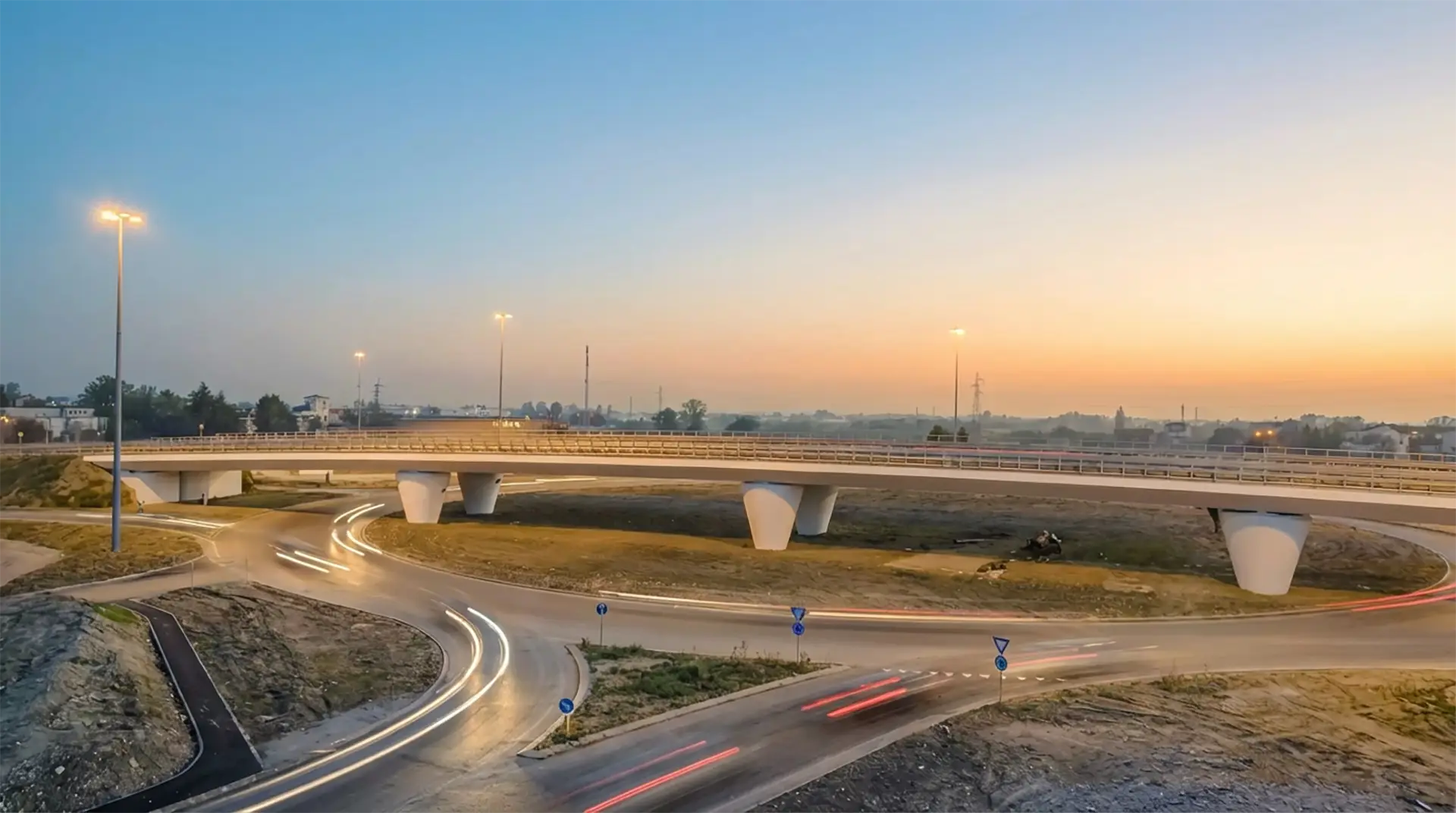
Throughout the first decade of the 2000s, the scale and complexity of the road works entrusted to CO.GE.R, part of the Unirainone group, required procedures for building "box" structures, i.e., concrete monoliths cast on site off-line and then inserted into the road and/or motorway embankments to be crossed, by pushing with hydraulic jacks, to allow the traffic in service to be maintained. The same technology was also adopted for road and/or motorway underpasses and to allow the passage of water supply lines.
VIEW PROJECT
During the first ANAS lot for the construction of the third lane of the A3 Napoli-Pompei-Salerno, an off-line reinforced concrete box structure about 60 m long was built, configured as a "micro tunnel," to ensure the continuity of the Circumvesuviana railway line near the Pompei interchange (Naples direction). The monolith was built on site and then pushed into the motorway embankment using hydraulic jacks (oleodynamic thrust), allowing the A3 vehicular traffic to remain in service throughout all launching phases.
VIEW PROJECT
During the long urbanization works at Parco Talenti in Rome, to protect the 2 m diameter steel water pipeline that crosses Via di Casal Boccone, a large reinforced concrete box structure was built. At the end of that road, before entering the roundabout where Via Ojetti joins, a structure known as the "Cecchina Bridge" was built to cross the "Fosso della Cecchina," part of the stormwater collection system for Parco Talenti. This structure, whose abutments rest on large-diameter piles, has an 11 m span and a width of about 25 meters, including service tunnels and sidewalks. - The Parco Talenti works required complex excavation phases during which archaeological findings emerged, concerning the wall perimeter of a Roman-era villa. CO.GE.R. carried out a targeted and detailed survey and the related drawings for the Works Management, for the design of protection works for the site and for its location. - These protection works executed by CO.GE.R. consisted of backfilling the excavations, proper compaction, and the construction of a reinforced concrete slab of adequate thickness to safeguard the finds, as the area is subject to vehicular traffic.
VIEW PROJECT
 Romagnoli S.p.A. - Naos S.p.A. - Agro Nocerino Sarnese Reclamation Consortium
Interporto Sud Europa S.p.A. - Ministry of Defense - Schiavo & C. S.p.A.
Municipality of Pomezia - Municipality of Taurano (AV) - Impreme S.p.A., Rome
TOTO S.p.A. - Fineuropa S.p.A., Rome - Municipality of Parma - Municipality of Pollica
Government Commissioner for Hydrogeological Emergency, Naples - Italferr S.p.A., Rome
Province of Salerno - Municipality of Cava de' Tirreni (SA)
ETHIOPIAN ROAD AUTHORITY - MINISTRY OF DEFENSE OF ETHIOPIA
ETHIOPIAN AIRLINES.
Romagnoli S.p.A. - Naos S.p.A. - Agro Nocerino Sarnese Reclamation Consortium
Interporto Sud Europa S.p.A. - Ministry of Defense - Schiavo & C. S.p.A.
Municipality of Pomezia - Municipality of Taurano (AV) - Impreme S.p.A., Rome
TOTO S.p.A. - Fineuropa S.p.A., Rome - Municipality of Parma - Municipality of Pollica
Government Commissioner for Hydrogeological Emergency, Naples - Italferr S.p.A., Rome
Province of Salerno - Municipality of Cava de' Tirreni (SA)
ETHIOPIAN ROAD AUTHORITY - MINISTRY OF DEFENSE OF ETHIOPIA
ETHIOPIAN AIRLINES.
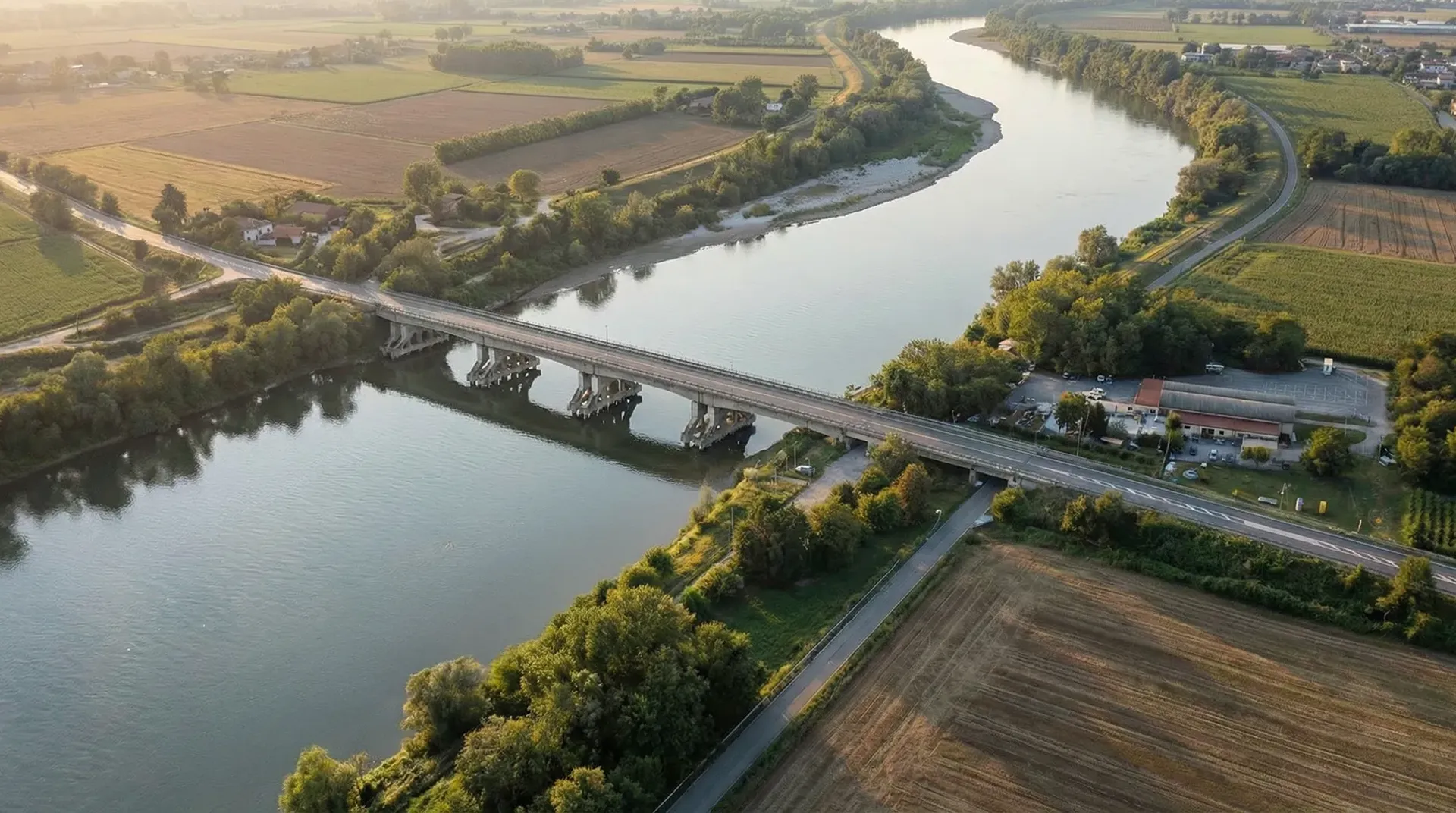
Since 1961 we have designed and built major infrastructure to connect territories and people. With over 60 years of experience on four continents, we work in the construction of roads, motorways, bridges, tunnels, urbanization networks, water and sewer systems, airports and heliports.

SOA Certification is a mandatory qualification (issued by authorized Attestation Bodies) that proves a company's economic and technical capacity to qualify for the execution of public works contracts with a value greater than EUR 150,000 and also confirms that the certified entity meets all requirements necessary for public contracting.

ISO 9001:2015 is an internationally recognized standard for creating, implementing, and managing a Quality Management System for any company. It is designed to be used by organizations of any size or sector. As an international standard, it is recognized as the basis for creating a system that ensures customer satisfaction and the improvement of processes and methods for delivering products and services.
ISO 14001:2015 is a standard intended to demonstrate that the certified organization has a management system adequate to control the environmental impacts of its activities, and that it systematically seeks improvement in a coherent, effective, and above all sustainable way.
ISO 45001:2018 is an international standard that specifies requirements for an occupational health and safety management system and provides guidance for its use, enabling organizations to establish safe and healthy workplaces, prevent work-related injuries and illnesses, and proactively improve their OH&S performance.

ISO 37001:2016 (Perry Johnson Registrars, Inc.) is the international standard that provides a structured framework for an Anti-Bribery Management System. It can help organizations prevent, detect, and manage the risk of corrupt practices by strengthening controls, accountability and internal procedures, and by promoting integrity, transparency, and compliance in activities and relationships with third parties.
UNI/PdR 125:2022 - Gender Equality (Perry Johnson Registrars, Inc.) is the Italian reference practice that defines the framework for a Gender Equality Management System based on measurable objectives and indicators. It can help organizations measure and improve their policies and processes on inclusion, growth opportunities and equity, contributing to reducing gaps and creating a more responsible, sustainable and empowering work environment.